Posts Tagged ‘motorcycle helmet recycling’

recycling old motorcycle helmets

Got a helmet that’s aged out, taken a hit, or has been sitting in a garage since the last century? You’re not alone. The tricky part is that once a motorcycle helmet is past its safe service life, it shouldn’t be sold, donated for someone to ride in, or handed down—because you can’t guarantee what it will do in the next crash.

Below are practical ways to dispose of an old motorcycle helmet—plus one step you should do first if it’s headed out of your possession. If you’re still on the fence about whether a lid is done-done, run through this helmet inspection checklist before you recycle or replace it.

1) Donate to Emergency Services for Training

One of the best options is to donate intact helmets to a local fire department, EMS station, or rescue squad for training. First responders practice helmet removal so they can protect a rider’s head/neck/spine during extrication. Call first, explain that the helmet is not for riding anymore, and ask if they accept helmets for training props—some departments already have plenty.

Consider this before you give it away or toss it: cut the chin strap off completely so nobody can fish it out and try to wear it. A used, compromised helmet can be dangerous. If you’re trying to keep your current lid in good shape (so you don’t have to deal with old helmet recycling any sooner than necessary), read how to clean a motorcycle helmet the right way (and why it matters). However, if you are going to give the helmet to the EMS for training leave the chin straps on as that is how they will find it in the real world.

2) Upcycle It (Decor, Planters, Garage Art)

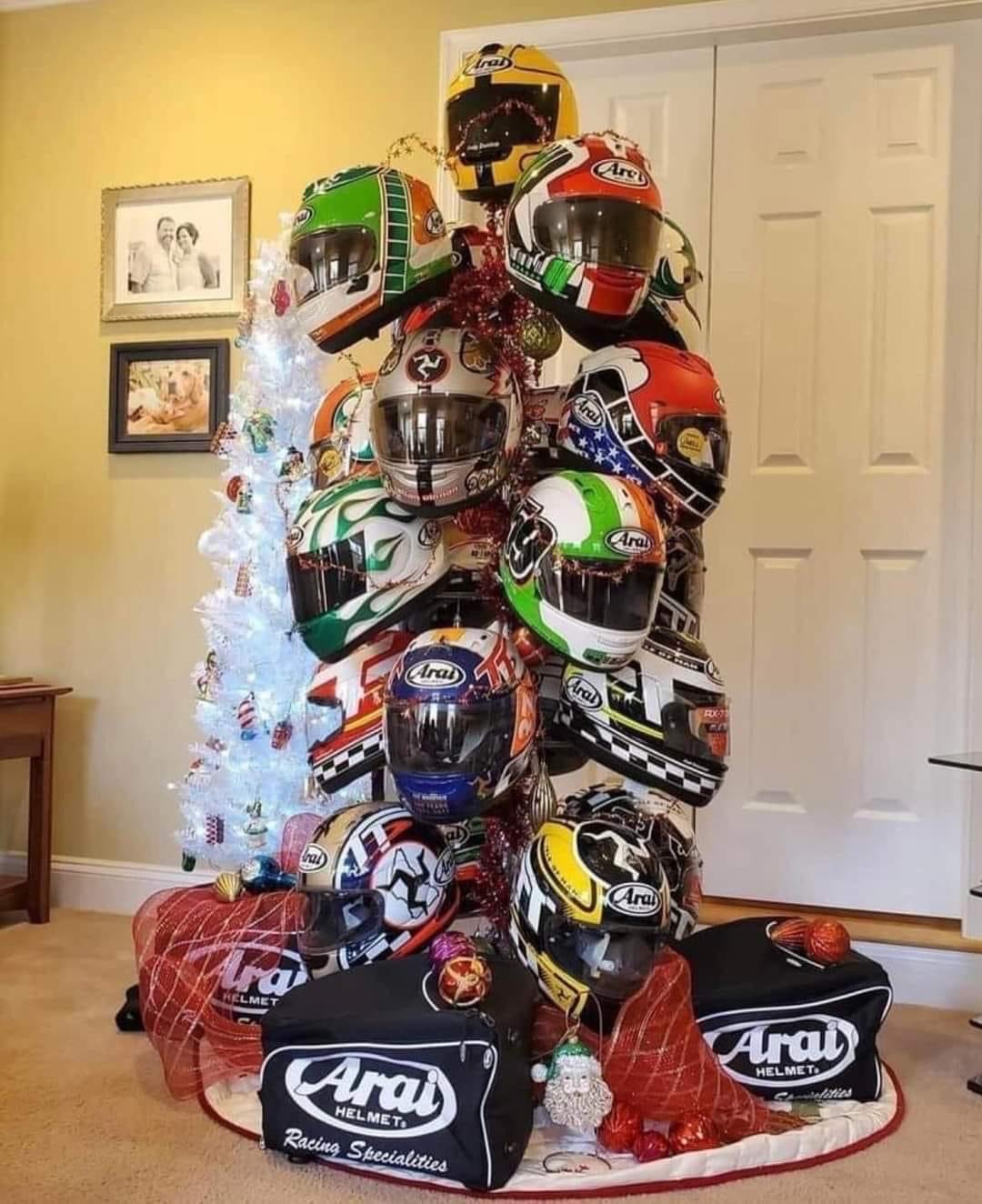
If it has a cool paint job or sentimental value, turn it into something you’ll actually see. Riders have mounted old lids on the wall, used them as garage shelf decor, or repurposed them as planters (drill drainage holes) or even a DIY lamp shell (use a proper kit and keep wiring safe). The key: make it obviously non-wearable—strap removed, liner pulled and ideally marked “NOT FOR RIDING.”

3) Check With Your Local Recycling Center (Helmet Recycling Isn’t Simple)

It’s worth a phone call: some areas have specialty recycling or a program that accepts certain plastics. But don’t be shocked if they say no. Helmets are a mix of shell materials (polycarbonate, fiberglass, carbon), EPS foam, adhesives, fabrics, and hardware—most facilities aren’t set up to separate that efficiently. If they do accept it, you may be asked to disassemble it first (remove pads/liner, visor, and hardware) so they can sort what they can process.

4) Regular Trash (Last Resort—Destroy It First)

If there’s no training donation option and no recycling route in your area, trash might be the only practical choice. Before it leaves your control, render it unusable: cut the chin strap off, remove the comfort liner, and consider cutting the shell so it can’t be worn. Then bag it and toss it. Helmets are built to take brutal impacts, so don’t be surprised if “smash it with a hammer” turns into a workout instead of a quick job.

5) Haul-Away Service (If You’re Clearing Out a Whole Garage)

If you uncovered a pile of helmets during a big cleanup (garage, barn, storage unit), a local junk/haul-away service can make sense—especially if you’ve got other bulky trash to go with it. Tell them you’re including old motorcycle helmets and confirm how they handle disposal. Still: cut the straps so the helmets can’t end up back in circulation.

Quick FAQ: Old Motorcycle Helmet Disposal

  • Can I donate or sell my used motorcycle helmet? Not for riding. Once it’s used (or its history is unknown), you can’t guarantee crash protection. Donate only for training/props.
  • Can motorcycle helmets be recycled? Sometimes, but many facilities won’t take them because they’re multi-material (shell + EPS foam + liner + adhesives).
  • What’s the safest way to get rid of a helmet? Donate to EMS/fire for training when possible. Otherwise, destroy it (strap off, shell compromised) before disposal.

Bottom line: the goal is simple—keep an unsafe helmet from ending up on someone’s head. Pick the best option available in your area, and if you’re keeping a helmet in service maintain it properl. (start with proper motorcycle helmet cleaning and care). If you’re leaning toward old helmet recycling, use this quick motorcycle helmet safety check first.

Ride, On. Ride Safe

helmet-3216002_960_720

Whether you’re just replacing one helmet due to age or degradation, or if you’ve found a stack of old helmets in your Dad’s garage, figuring out what to do with them after they’ve outlived their usefulness can be tricky. Motorcycle helmets can’t be resold or given away for future use as their safety can’t be guaranteed. So what can you do? Here are a few possibilities for dealing with old helmets.

Donate to Emergency Services

Perhaps the best way to dispose of an old motorcycle helmet is to find an emergency services department that might be interested in using intact helmets for training. They can use them to teach first responders how to safely remove a helmet from an accident victim who may be injured. Removing a helmet from a patient who might have a head, neck, or back injury can be difficult, as helmets are heavy and unwieldy. Emergency personnel responding to an accident need to learn to remove helmets without risking further injury to patients. However, there may be more helmets available than they need, and if you can’t find a department in need, there are still several other options.

If you aren’t donating the helmets to such a group, you should immediately cut the chin strap off completely to prevent someone from fishing it out of the trash and attempting to use it. Used helmets can be dangerous to use.

Upcycle as Decorations

Some creative types have found creative ways to use helmets as decorations. You can set up a decorative display of your old helmets on a wall, especially if they were custom painted. Others have taken motorcycle helmets and turned them into flower pots and planters for the garden. You can also buy a lamp kit and turn your old helmet into an interesting desk lamp or outdoor lantern

Check with Local Recycling Center

You can call your local recycling center to see if they accept motorcycle helmets for recycling. Don’t be surprised if the answer is “no.” Due to the different chemicals and materials used in manufacturing safe and sturdy helmets, many recycling centers are not equipped to process them. Those that are may request that you disassemble the helmet before recycling, so be prepared to pull out the padding and foam before you drop if off.

Dispose in Regular Trash

It’s not ideal, but if you have no other options, you can dispose of the helmet in your regular trash. Just make sure that you bag it appropriately, and that you have destroyed it before you do. In addition to cutting off the chin strap, you can also cut it in half with a saw or have some fun with your friends and try to beat it up with an axe or sledgehammer. Just be warned that trying to break a helmet with sheer force is sometimes impossible. After all, they are designed to withstand traumatic impacts at highway speeds.

Haul Away Service

It’s probably not cost effective if you have just one or two helmets to get rid of, but if you have a collection, you could call a rubbish removal service to come and pick them up. This is especially useful if you’ve discovered the helmets while cleaning out an old garage or barn; there’s probably a mess of other stuff you need to get rid of as well, and these services will pick everything up, and then they will do the work of sorting the items for recycling and proper disposal.

Perhaps someday there will be an accepted standard for what to do with used motorcycle helmets, but we’re not there yet. In the meantime, any one of the above methods is an acceptable way to dispose of an old helmet that is no longer safe to wear.  

Sarah Kearns is a hard working mother of three daughters. She is a Senior Communications Manager for BizDb and Populationof an online resources with information about businesses and demographic statistics of world population. She loves cooking, reading history books and writing about green living. Her dad was a motorcyclist and he passed that passion on to her. Sarah loves to travel the world on her motorcycle and she hopes that one of her daughters will become her partner in the near future.