Posts Tagged ‘Helmet’

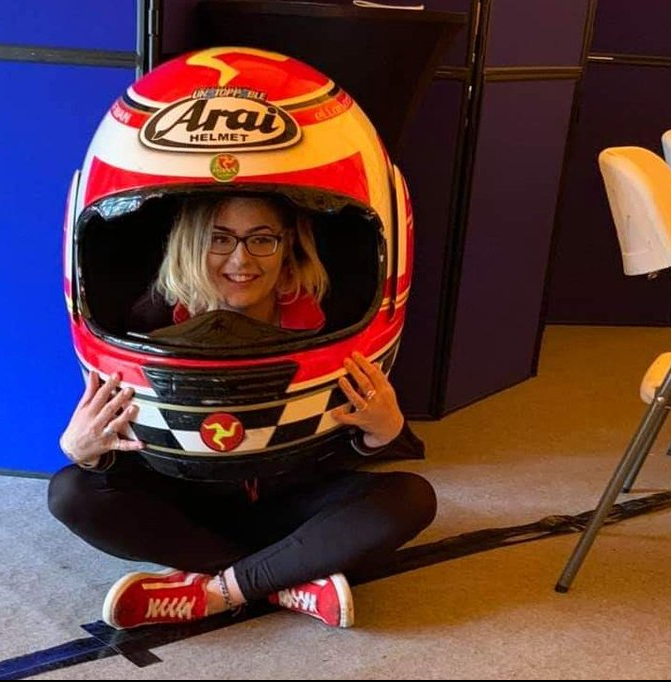
I ran across this article from SlashGear “EVERY MAJOR MOTORCYCLE HELMET BRAND RANKED WORST TO BEST IN NHTSA COMPLIANCE TESTING”. It is a very interesting list.

They ranked the top 14 helmet brands using the following methodology:

“To determine the best motorcycle helmet brands versus the worst, we’ve taken a look at brand compliance, meaning whether helmets pass rigorous testing standards by the National Highway Traffic Safety Administration (NHTSA) and which safety standards their products meet or exceed, such as DOT, Snell, ECE, and others.”

I will summarize their top and bottom five.

Bottom 5                                           Top 5

HJC Helmets                                    #1 Arai

KLIM                                               #2 Shoei

Biltwell                                            #3 Bell

AGV                                                 #4 BILT

LS2                                                  #5 Schuberth

My personal helmets did not make the list… so somewhere in the middle? I HOPE!

Is your Motorcycle Helmet in the top or bottom 5?

Whether you’re just replacing one helmet due to age or degradation, or if you’ve found a stack of old helmets in your Dad’s garage, figuring out what to do with them after they’ve outlived their usefulness can be tricky. Motorcycle helmets can’t be resold or given away for future use as their safety can’t be guaranteed.

So what can you do? Here are a few possibilities for dealing with old helmets.

Donate to Emergency Services

Perhaps the best way to dispose of an old motorcycle helmet is to find an emergency services department that might be interested in using intact helmets for training. They can use them to teach first responders how to safely remove a helmet from an accident victim who may be injured. Removing a helmet from a patient who might have a head, neck, or back injury can be difficult, as helmets are heavy and unwieldy. Emergency personnel responding to an accident need to learn to remove helmets without risking further injury to patients. However, there may be more helmets available than they need, and if you can’t find a department in need, there are still several other options.

If you aren’t donating the helmets to such a group, you should immediately cut the chin strap off completely to prevent someone from fishing it out of the trash and attempting to use it. Used helmets can be dangerous to use.

Upcycle as Decorations

Some creative types have found creative ways to use helmets as decorations. You can set up a decorative display of your old helmets on a wall, especially if they were custom painted. Others have taken motorcycle helmets and turned them into flower pots and planters for the garden. You can also buy a lamp kit and turn your old helmet into an interesting desk lamp or outdoor lantern

Check with Local Recycling Center

You can call your local recycling center to see if they accept motorcycle helmets for recycling. Don’t be surprised if the answer is “no.” Due to the different chemicals and materials used in manufacturing safe and sturdy helmets, many recycling centers are not equipped to process them. Those that are may request that you disassemble the helmet before recycling, so be prepared to pull out the padding and foam before you drop if off.

Dispose in Regular Trash

It’s not ideal, but if you have no other options, you can dispose of the helmet in your regular trash. Just make sure that you bag it appropriately, and that you have destroyed it before you do. In addition to cutting off the chin strap, you can also cut it in half with a saw or have some fun with your friends and try to beat it up with an axe or sledgehammer. Just be warned that trying to break a helmet with sheer force is sometimes impossible. After all, they are designed to withstand traumatic impacts at highway speeds.

Haul Away Service

It’s probably not cost effective if you have just one or two helmets to get rid of, but if you have a collection, you could call a rubbish removal service to come and pick them up. This is especially useful if you’ve discovered the helmets while cleaning out an old garage or barn; there’s probably a mess of other stuff you need to get rid of as well, and these services will pick everything up, and then they will do the work of sorting the items for recycling and proper disposal.

Perhaps someday there will be an accepted standard for what to do with used motorcycle helmets, but we’re not there yet. In the meantime, any one of the above methods is an acceptable way to dispose of an old helmet that is no longer safe to wear.  

Sarah Kearns is a hard working mother of three daughters. She is a Senior Communications Manager for BizDb and Populationof an online resources with information about businesses and demographic statistics of world population. She loves cooking, reading history books and writing about green living. Her dad was a motorcyclist and he passed that passion on to her. Sarah loves to travel the world on her motorcycle and she hopes that one of her daughters will become her partner in the near future.

It is time to check you motorcycle helmet!

At least once a year you should check your helmet to make sure everything is right and correct.  As the month of April is Motorcycle Helmet Safety month, now is a good time to do the checks.
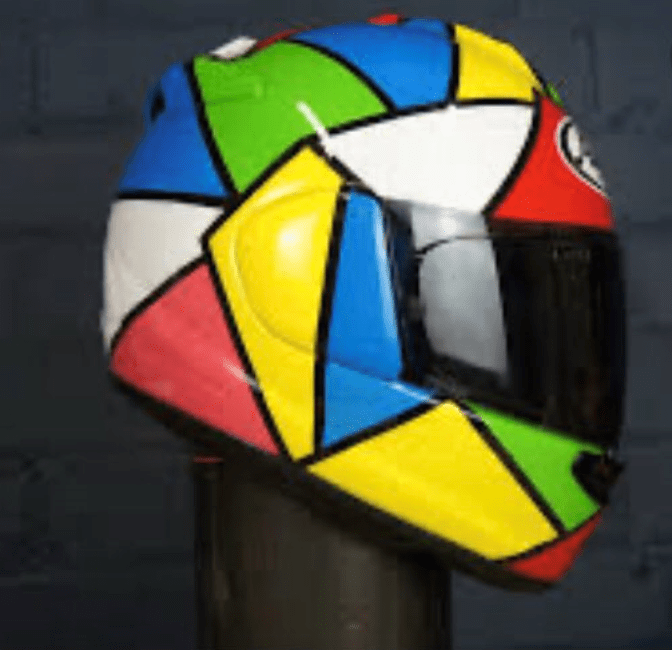
What are the things you need to check?  Here are the minimum things you need to look for:

1) Is the shell all in one piece? No cracks or splits?

2) Are the straps and connectors in good shape, no adverse wear or tear?

3) The internal padding is connected and stays in place?

4) Remove the padding and check the foam.  Is it dented or have cracks?

5) While looking at the foam, most companies place a sticker printed with the helmet’s birthday. Is it over 5 years old?

6) Does the rest of the internals look in good operating condition?

7) Check the visor for damage that might obscure your vision can you see clearly?

8) Are the screws or other visor attachments tight?

9) Make sure that insects/creatures are not living in your helmet, see the photos below!

Checklist item 5 is the 5-year rule.  Most manufactures recommend that after 5 years you replace your helmet.  While the cynical among us will cite the “more money” theory of why they want it replaced ,there is evidence that the foam lining (the part that does most of the work in a crash) does deteriorate over time. It is your head, so it is your decision to replace or not if everything looks good.

That little red spot on the inside of the helmet below… is a Black Widow Spider!

My daughter purchased a new motorcycle helmet, we unboxed it for the first look!

Your motorcycle helmet is your most important piece of equipment so keeping it clean is important.  Not just from an appearance perspective but as a method to ensure it is still in good working condition. Also, April is Motorcycle Helmet Awareness month so now is a good time to do the work!

While you are cleaning your helmet look for cracks in the shell, that the hard foam is intact and in good condition (this is the part that does most of the work to protect your head) and all the other parts are in good order.  

Before you start… read your owner’s manual on cleaning your specific motorcycle helmet.

1 – Take either a microfiber or paper towels, soaked in warm water and lay across the helmet and visor.  This will moisten any hard dried bugs or grime that might scratch the finish if you first went to scrubbing or rubbing.  Leave the towels on for about 10 minutes and then gently remove the now softer bugs/grime. Remove the visor before step 2.

2 – After the bugs/grime are soft use warm soapy water to clean the shell fully. Rinse, dry and admire your clean exterior.

3 – The visor needs additional attention. The warm towels may have helped get rid of the road grime, but your visor needs special attention. DO NOT use any products that have acid or ammonia! Even products with citric acid can damage the visor (personal experience). Most glass cleaners have some form of acid or ammonia so avoid them as well. Warm soapy water and microfiber cloth is the best way to safely clean your visor.

4 – Make sure you clean out the visor mechanism. Keeping the mechanism clean will help make sure it works as designed.

5 – Clean the sun visor in the same manner you cleaned the visor. No ammonia or acid-based cleaners!

6 – Now that the outside of your helmet is clean how about the inside? MOST helmets allow you to remove the interior padding. Look at your instructions and pull the lining out. Some motorcycle helmet manufactures allow you to put the padding in a washing machine, others recommend hand cleaning in warm soapy water. If you use the by hand method, I recommend a baby shampoo.

7 – If your helmet’s padding is not removable follow the instructions your helmet manufacture provided.  BUT, in my opinion only, dunking the entire helmet into soapy water is not the way to go. It takes forever to dry; it can mildew, and I am always unsure if it may have damaged the underlying foam. My suggestion is to use a motorcycle helmet sanitizing spray.

8 –Check the vents to make sure they are clean and open.  A shot of compressed air, from the inside, might dislodge dried road grimes and bugs.

9 – Put it back together, following the instructions if you still have them. 😊

Ride On, Ride Safe

As April is “Motorcycle Helmet Awareness Month” I thought I would pull this post from 2018 back to the top. Sarah’s words still are valid.

Whether you’re just replacing one helmet due to age or degradation, or if you’ve found a stack of old helmets in your Dad’s garage, figuring out what to do with them after they’ve outlived their usefulness can be tricky. Motorcycle helmets can’t be resold or given away for future use as their safety can’t be guaranteed. So what can you do? Here are a few possibilities for dealing with old helmets.

Donate to Emergency Services

Perhaps the best way to dispose of an old motorcycle helmet is to find an emergency services department that might be interested in using intact helmets for training. They can use them to teach first responders how to safely remove a helmet from an accident victim who may be injured. Removing a helmet from a patient who might have a head, neck, or back injury can be difficult, as helmets are heavy and unwieldy. Emergency personnel responding to an accident need to learn to remove helmets without risking further injury to patients. However, there may be more helmets available than they need, and if you can’t find a department in need, there are still several other options.

If you aren’t donating the helmets to such a group, you should immediately cut the chin strap off completely to prevent someone from fishing it out of the trash and attempting to use it. Used helmets can be dangerous to use.

Upcycle as Decorations

Some creative types have found creative ways to use helmets as decorations. You can set up a decorative display of your old helmets on a wall, especially if they were custom painted. Others have taken motorcycle helmets and turned them into flower pots and planters for the garden. You can also buy a lamp kit and turn your old helmet into an interesting desk lamp or outdoor lantern

Check with Local Recycling Center

You can call your local recycling center to see if they accept motorcycle helmets for recycling. Don’t be surprised if the answer is “no.” Due to the different chemicals and materials used in manufacturing safe and sturdy helmets, many recycling centers are not equipped to process them. Those that are may request that you disassemble the helmet before recycling, so be prepared to pull out the padding and foam before you drop if off.

Dispose in Regular Trash

It’s not ideal, but if you have no other options, you can dispose of the helmet in your regular trash. Just make sure that you bag it appropriately, and that you have destroyed it before you do. In addition to cutting off the chin strap, you can also cut it in half with a saw or have some fun with your friends and try to beat it up with an axe or sledgehammer. Just be warned that trying to break a helmet with sheer force is sometimes impossible. After all, they are designed to withstand traumatic impacts at highway speeds.

Haul Away Service

It’s probably not cost effective if you have just one or two helmets to get rid of, but if you have a collection, you could call a rubbish removal service to come and pick them up. This is especially useful if you’ve discovered the helmets while cleaning out an old garage or barn; there’s probably a mess of other stuff you need to get rid of as well, and these services will pick everything up, and then they will do the work of sorting the items for recycling and proper disposal.

Perhaps someday there will be an accepted standard for what to do with used motorcycle helmets, but we’re not there yet. In the meantime, any one of the above methods is an acceptable way to dispose of an old helmet that is no longer safe to wear.  

Sarah Kearns is a hard working mother of three daughters. She is a Senior Communications Manager for BizDb and Population of an online resources with information about businesses and demographic statistics of world population. She loves cooking, reading history books and writing about green living. Her dad was a motorcyclist and he passed that passion on to her. Sarah loves to travel the world on her motorcycle and she hopes that one of her daughters will become her partner in the near future.

April is Motorcycle Helmet Safety month and the supposed start of the riding season in the Northern Hemisphere. So, if your riding season is just beginning or coming to an end you should check your helmet for any issues that could risk your safety.

What do you look for when performing a safety check on your motorcycle helmet? Different manufactures state similar and different things to check, please referrer to your helmets makers directions for the best information.

However, there are some generic checks you can do that will cover many areas to make sure your helmet is still safe. Here are the a few things you need to look for:

1) Is the shell all in one piece? No cracks or splits?

2) Are the straps and connectors in good shape, no adverse wear or tear?

3) The internal padding is connected and stays in place?

4) Remove the padding and check the foam.  Is it dented or have cracks?

5) While looking at the foam, most companies place a sticker printed with the helmet’s birthday. Is it over 5 years old?

6) Does the rest of the internals look in good operating condition?

7) Check the visor for damage that might obscure your vision, can you see clearly?

8) Are the screws or other visor attachments tight?

9) Make sure that insects/creatures are not living in your helmet, see the photos below! (that is a Black Widow Spider)

Checklist item 5 is the 5-year rule.  Most manufactures recommend that after 5 years you replace your helmet.  While the cynical among us will cite the “more money” theory of why they want it replaced there is evidence that the foam lining (the part that does most of the work in a crash) does deteriorate over time. It is your head, so it is your decision to replace or not if everything looks good.

2020 was a lost year in more than a few different ways. For motorcyclists not only did we lose riding time we also seem to have lost some motorcycle art.

There were just not very many “candidates” for the wild, weird motorcycle helmet list this year.  I barely had enough to hit 9, the minimum number to have a list.  Why 9?  Because everyone does 10 and 11 is to much work!

So, which one is your fav-o-rite? Do you have any suggestions for 2021 because I think I will need the help?

Be aware that this motorcycle recall list is for the United States, there is no way I could cover the entire world. But in the world of global manufacturing, if a motorcycle is being recalled in one country there is a good chance it is under recall in others. Also, this should not be considered a definitive list, check for yourself if you have any questions.

If you are US based use the NHTSA website http://www.safercar.gov. Enter your VIN number to see if your motorcycle is affected by the recall.

If you are based outside the USA, use the appropriate website to locate recalls that may impact you.

*****

Manufacturer Zero Motorcycles Inc.

Components EXTERIOR LIGHTING

Summary Zero Motorcycles Inc. (Zero) is recalling certain 2020 SR/F and SR/S motorcycles. The front brake switch can fail from water getting into the switch.

Remedy Zero will notify owners, and dealers will the replace the front brake switch, free of charge. The recall is expected to begin November 30, 2020. Owners may contact Zero customer service at 1-888-841-8085. Zero’s number for this recall is SV-ZMC-021-020.

******

Manufacturer Kawasaki Motors Corp., U.S.A.

Components POWER TRAIN, ELECTRICAL SYSTEM

Summary Kawasaki Motors Corp., U.S.A. (KMC) is recalling certain 2018-2020 Ninja H2 SX, Ninja H2 SXSE, and 2019-2020 Ninja H2 SXSE+ motorcycles. In the event of a gear mis-engagement the engine electronic control unit (ECU) programming doesn’t have the
capability to suppress high RPM during transmission. If the transmission gears are not properly engaged while shifting into 4th or 5th gear, high engine RPM can cause the output gears of 4th or 5th to fracture when the gears re-engage.

Remedy KMC will notify owners, and dealers will reprogram the FI-ECU software, free of charge. Owners are advised to not ride their motorcycle until the repair has been completed. The recall began November 16, 2020. Owners may contact KMC customer service at 1-866-802-9381. KMC’s number for this recall is MC20-10.

*****

Manufacturer Leather on Wheels Inc

Summary Leather On Wheels Inc (Leather On Wheels) is recalling certain WCL Helmets, model Polo, part number 666, in all sizes produced 9/1/14 through 3/16/20. The helmet may not adequately reduce the amount of force the wearer experiences during an impact. As such, these helmets fail to comply with the requirements of Federal Motor Vehicle Safety Standard FMVSS 218, “Motorcycle Helmets.”

Remedy Leather On Wheels will notify owners, and dealers will provide a credit or replace the helmet, free of charge. The recall is expected to begin November 20, 2020. Owners may contact Leather On Wheels customer service at 1-587-583-0070.

*****

Ride on, Ride Safe

Click here for the list of October 2020 Motorcycle Recalls

Be aware that this motorcycle recall list is for the United States, there is no way I could cover the entire world. But in the world of global manufacturing, if a motorcycle is being recalled in one country there is a good chance it is under recall in others. Also, this should not be considered a definitive list, check for yourself if you have any questions.

If you are US based use the NHTSA website http://www.safercar.gov. Enter your VIN number to see if your motorcycle is affected by the recall.

If you are based outside the USA, use the appropriate website to locate recalls that may impact you.

*****

NHTSA Campaign Number: 20E063000

Manufacturer Ultimate Leather Apparel Inc

Components Helmet

Summary:  Ultimate Leather Apparel Inc (Ultimate Leather) is recalling certain Zone HS1100 helmets manufactured 2014-2016, models HS1100-D1, HS1100-D2, HS1100-D3, HS1100-D5, HS1100-FLAT, HS1100-REBEL and HS1100-SHINY, in sizes XS, S, M, L, XL, and 2XL. The helmets may not adequately protect the wearer in the event of a head impact during a crash. As such, the helmets fail to comply with the requirements of Federal Motor Vehicle Safety Standard number 218, “Motorcycle Helmets.”

Remedy: Ultimate Leather will notify owners, and will provide a refund or a replacement helmet, free of charge. The recall is expected to begin September 28, 2020. Owners may contact Ultimate Leather customer service at 1-833-262-2315.

*****

NHTSA Campaign Number: 20V524000

Manufacturer Piaggio Group Americas. Inc.

Components SERVICE BRAKES, HYDRAULIC

Summary: Piaggio Group Americas, Inc. (Piaggio) is recalling certain 2019-2020 MP3 500 motorcycles. The brake lines may have been improperly galvanized, allowing hydrogen to be released into the brake fluid.

Remedy: Piaggio will notify owners, and dealers will perform a complete brake system flush, free of charge. The recall began September 10, 2020. Owners may contact Piaggio customer service at 1-212-380-4433. Piaggio’s number for this recall is PP2ZZQ1904_MP3.

*****

NHTSA Campaign Number: 20V495000

Manufacturer BMW of North America, LLC

Components EQUIPMENT

Summary: BMW of North America, LLC (BMW) is recalling certain 2021 R 1250 RT, R 1250 R, R 1250 RS, R 1250 GS and R 1250 GS Adventure motorcycles. The tire pressure labels may not remain affixed to the motorcycle frame. As a result, these motorcycles fail to comply with the requirements of Federal Motor Vehicle Safety Standard number 120, “Wheels and Rims-Other Than Passenger Cars.”

Remedy: BMW will notify owners, and dealers will replace the tire pressure label, free of charge. The recall is expected to begin October 12, 2020. Owners may contact BMW customer service at 1-800-525-7417.

*****

Ride On, Ride Safe

Click here for the August 2020 Motorcycle Recall List