Posts Tagged ‘motorcycle helmet’

helmets

Your motorcycle helmet is your most important piece of equipment so keeping it clean is important.  Not just from an appearance perspective but as a method to ensure it is still in good working condition.

Also, April is Motorcycle Helmet Awareness month so now is a good time to do the work!

While you are cleaning your helmet look for cracks in the shell, that the hard foam is intact and in good condition (this is the part that does most of the work to protect your head) and all the other parts are in good order.  

Before you start… read your owner’s manual on cleaning your specific motorcycle helmet.

1 – Take either a microfiber or paper towels, soaked in warm water and lay across the helmet and visor.  This will moisten any hard dried bugs or grime that might scratch the finish if you first went to scrubbing or rubbing.  Leave the towels on for about 10 minutes and then gently remove the now softer bugs/grime. Remove the visor before step 2.

2 – After the bugs/grime are soft use warm soapy water to clean the shell fully. Rinse, dry and admire your clean exterior.

3 – The visor needs additional attention. The warm towels may have helped get rid of the road grime, but your visor needs special attention. DO NOT use any products that have acid or ammonia! Even products with citric acid can damage the visor (personal experience). Most glass cleaners have some form of acid or ammonia so avoid them as well. Warm soapy water and microfiber cloth is the best way to safely clean your visor.

4 – Make sure you clean out the visor mechanism. Keeping the mechanism clean will help make sure it works as designed.

5 – Clean the sun visor in the same manner you cleaned the visor. No ammonia or acid-based cleaners!

6 – Now that the outside of your helmet is clean how about the inside? MOST helmets allow you to remove the interior padding. Look at your instructions and pull the lining out. Some motorcycle helmet manufacturers allow you to put the padding in a washing machine, others recommend hand cleaning in warm soapy water. If you use the by hand method, I recommend a baby shampoo.

7 – If your helmet’s padding is not removable follow the instructions your helmet manufacturer provided.  BUT, in my opinion, dunking the entire helmet into soapy water is not the way to go. It takes forever to dry; it can mildew, and I am always unsure if it may have damaged the underlying foam. My suggestion is to use a motorcycle helmet sanitizing spray.

8 –Check the vents to make sure they are clean and open.  A shot of compressed air, from the inside, might dislodge dried road grimes and bugs.

9 – Put it back together, following the instructions if you still have them. 😊

Ride On, Ride Safe

At least once a year you should check your helmet to make sure everything is right and correct.  As April is Motorcycle Helmet Safety month, now is a good time to do those checks.

What are the things you need to check?  Here are the minimum items you should check:

  • Is the shell in one piece? No cracks or splits?
  • Are the straps and connectors in good shape, no adverse wear or tear?
  • The internal padding is connected and stays in place?
  • Remove the padding and check the foam.  Is it dented or have cracks?
  • While looking at the foam, most companies place a sticker printed with the helmet’s birthday. Is it over 5 years old? See below for some discussion on this item.
  • Does the rest of the internals look in good operating condition?
  • Check the visor for damage that might obscure your vision can you see clearly?
  • Are the screws or other visor attachments tight?
  • Make sure that insects/creatures are not living in your helmet. Will be VERY interesting if you put your helmet on with some bugs living inside?

Checklist item 5 is the 5-year rule.  Most manufactures recommend that after 5 years you replace your helmet.  While the cynical among us will cite the “more money” theory of why they want it replaced there is evidence that the foam lining (the part that does most of the work in a crash) does deteriorate over time. It is your head, so it is your decision whether to replace or not if everything looks good.

Do you have any additional tips or recommendations on making sure your motorcycle helmet is good for another riding season?

Like the motorcycle tank art post, it was a slim year for new, crazy motorcycle helmets.  Just not a lot out there, a few of the ones I collected during the year I had already used, not good.

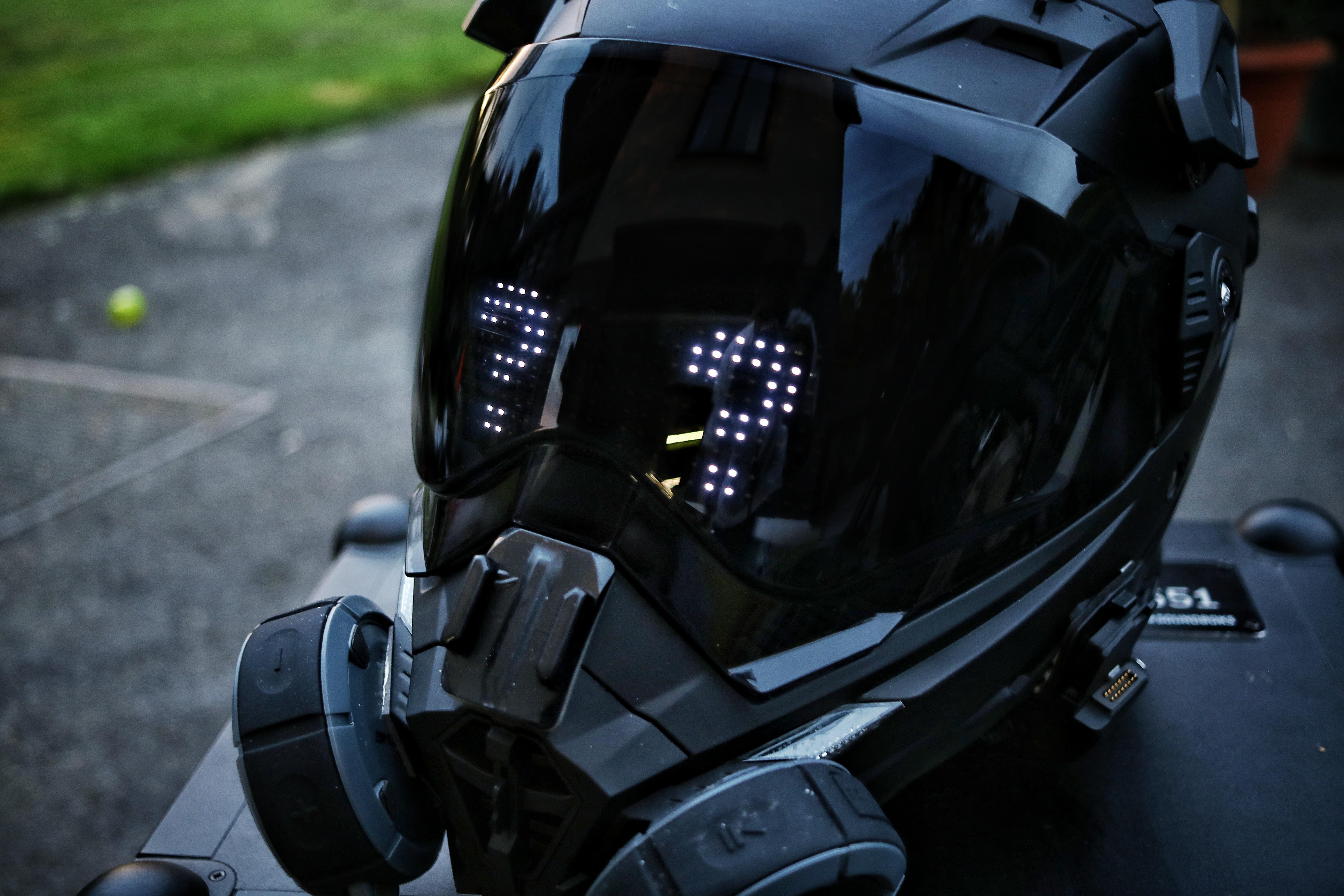
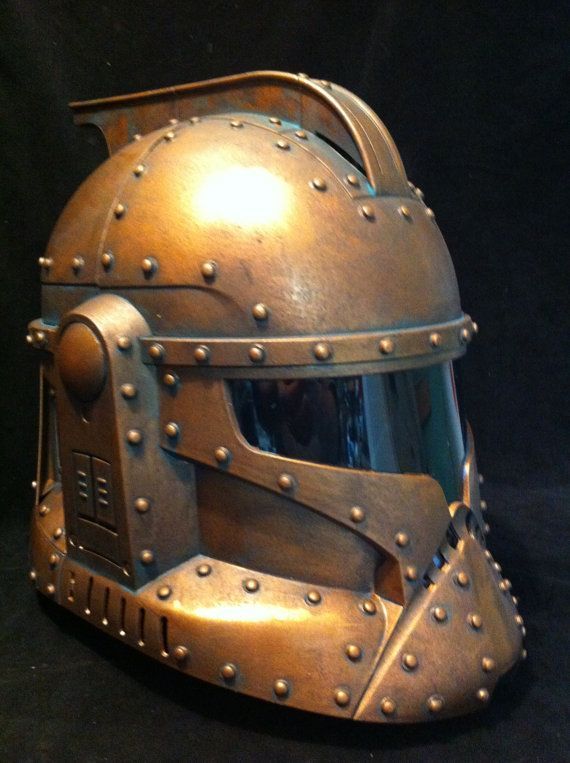
But in the end, I did find 9 that fit the bill.   Not sure I would use many of these helmets, but they are definitely crazy.

Whether you’re just replacing one helmet due to age or degradation, or if you’ve found a stack of old helmets in your Dad’s garage, figuring out what to do with them after they’ve outlived their usefulness can be tricky. Motorcycle helmets can’t be resold or given away for future use as their safety can’t be guaranteed.

So what can you do? Here are a few possibilities for dealing with old helmets.

Donate to Emergency Services

Perhaps the best way to dispose of an old motorcycle helmet is to find an emergency services department that might be interested in using intact helmets for training. They can use them to teach first responders how to safely remove a helmet from an accident victim who may be injured. Removing a helmet from a patient who might have a head, neck, or back injury can be difficult, as helmets are heavy and unwieldy. Emergency personnel responding to an accident need to learn to remove helmets without risking further injury to patients. However, there may be more helmets available than they need, and if you can’t find a department in need, there are still several other options.

If you aren’t donating the helmets to such a group, you should immediately cut the chin strap off completely to prevent someone from fishing it out of the trash and attempting to use it. Used helmets can be dangerous to use.

Upcycle as Decorations

Some creative types have found creative ways to use helmets as decorations. You can set up a decorative display of your old helmets on a wall, especially if they were custom painted. Others have taken motorcycle helmets and turned them into flower pots and planters for the garden. You can also buy a lamp kit and turn your old helmet into an interesting desk lamp or outdoor lantern

Check with Local Recycling Center

You can call your local recycling center to see if they accept motorcycle helmets for recycling. Don’t be surprised if the answer is “no.” Due to the different chemicals and materials used in manufacturing safe and sturdy helmets, many recycling centers are not equipped to process them. Those that are may request that you disassemble the helmet before recycling, so be prepared to pull out the padding and foam before you drop if off.

Dispose in Regular Trash

It’s not ideal, but if you have no other options, you can dispose of the helmet in your regular trash. Just make sure that you bag it appropriately, and that you have destroyed it before you do. In addition to cutting off the chin strap, you can also cut it in half with a saw or have some fun with your friends and try to beat it up with an axe or sledgehammer. Just be warned that trying to break a helmet with sheer force is sometimes impossible. After all, they are designed to withstand traumatic impacts at highway speeds.

Haul Away Service

It’s probably not cost effective if you have just one or two helmets to get rid of, but if you have a collection, you could call a rubbish removal service to come and pick them up. This is especially useful if you’ve discovered the helmets while cleaning out an old garage or barn; there’s probably a mess of other stuff you need to get rid of as well, and these services will pick everything up, and then they will do the work of sorting the items for recycling and proper disposal.

Perhaps someday there will be an accepted standard for what to do with used motorcycle helmets, but we’re not there yet. In the meantime, any one of the above methods is an acceptable way to dispose of an old helmet that is no longer safe to wear.  

Sarah Kearns is a hard working mother of three daughters. She is a Senior Communications Manager for BizDb and Populationof an online resources with information about businesses and demographic statistics of world population. She loves cooking, reading history books and writing about green living. Her dad was a motorcyclist and he passed that passion on to her. Sarah loves to travel the world on her motorcycle and she hopes that one of her daughters will become her partner in the near future.

ijustwant2ride.com

What you need to know This year’s Daytona 200 looks like it will be spectacular!

           The MotoAmerica Mission Daytona 200 has 68 riders representing 5 manufacturers attempting to qualify for the big race. They are riding:

                     Yamaha, Kawasaki, Suzuki, Ducati and Triumph

           The Roland Sands Mission Super Hooligans have 35 riders on 10 different motorcycles.

                     Indian FTR                         BMW R9

                     Harley Pan-American         KTM 890 Duke

                     Yamaha MT-9                    Suzuki SV1000

                     Ducati Monster                   Harley Davidson XR1200

                     Ducati Hypermotard            Enegica Eva (ELECTRIC BIKE)

           The Mission King of Baggers will have two races

           16 riders on Harley and Indian baggers on the HIGH BANK

How to watch the races? Check out MotoAmeria’s watch page.  You can check the schedule for the entire event here.

My TakeBIG UPSHIFT –  I can’t wait to see the racing this year.  The field is deep in all the divisions, so I expect tight racing across the board.

What you need to knowGo Pro is buying a motorcycle helmet company.

            GoPro, a go to for motorcyclists, is acquiring the “smart” helmet company Forcite.

            What does Forcite helmets have to offer:

            Harman Kardon speakers

            Visor displays that projects traffic, road hazards, police and turn by turn directions.

            Camera built into the chin bar, with super-wide 1080p support.

My TakeUpshift – We can expect GoPro branded helmets soon. Having the camera built into the helmet should be a safety plus.

What are your thoughts?

Ride on, Ride Safe

My daughter purchased a new motorcycle helmet, we unboxed it for the first look!

Might take some work to remove the dog smell.

With April being Motorcycle Helmet Safety Month, now is a good time to check your lid. Below is a simple checklist to make sure your helmet is still good to go.

  • Is your motorcycle helmet 5 years or older? Most manufacturers state that you should replace your helmet every 3-5 years.  Many folks think that is nothing but a money grab. However, your head is protected by a Styrofoam like substance, called expanded polystyrene foam or EPS, that does degrade over time. You need to be the judge of how your head is protected.
  • Is there any visible damage to the helmet? Did you drop your motorcycle helmet that may have compressed the EPS liner? Is the shell cracked or scuffed nearly through the shell?
  • Does your helmet fit? A proper fitting helmet is critical to its ability to protect the rider. If the helmet moves around or slides back and forth it is a good idea to find a helmet that fits properly.
  • Are the straps and connectors still in good and operational condition?
  • Does the internal padding stay attach and is it in good condition?
  • Remove the padding and look at the EPS foam.  Is it in one piece? Is it cracked or dented?
  • Is your visor still in good working condition? Are there any issues that might obscure your vision?
  • Make sure there are no insects or animals living in your helmet. That is poisonous black widow spider in the picture below.

Ride On, Ride Safe

helmet

There are a lot of things you can do with old motorcycle helmets. Make planters or art with them for example.

But one of the most important things you can do with those old motorcycle helmets is to donate them to emergency services. Why? Because they need to train to deal with motorcycle accidents and how to handle the helmets is one of the things they need to practice.

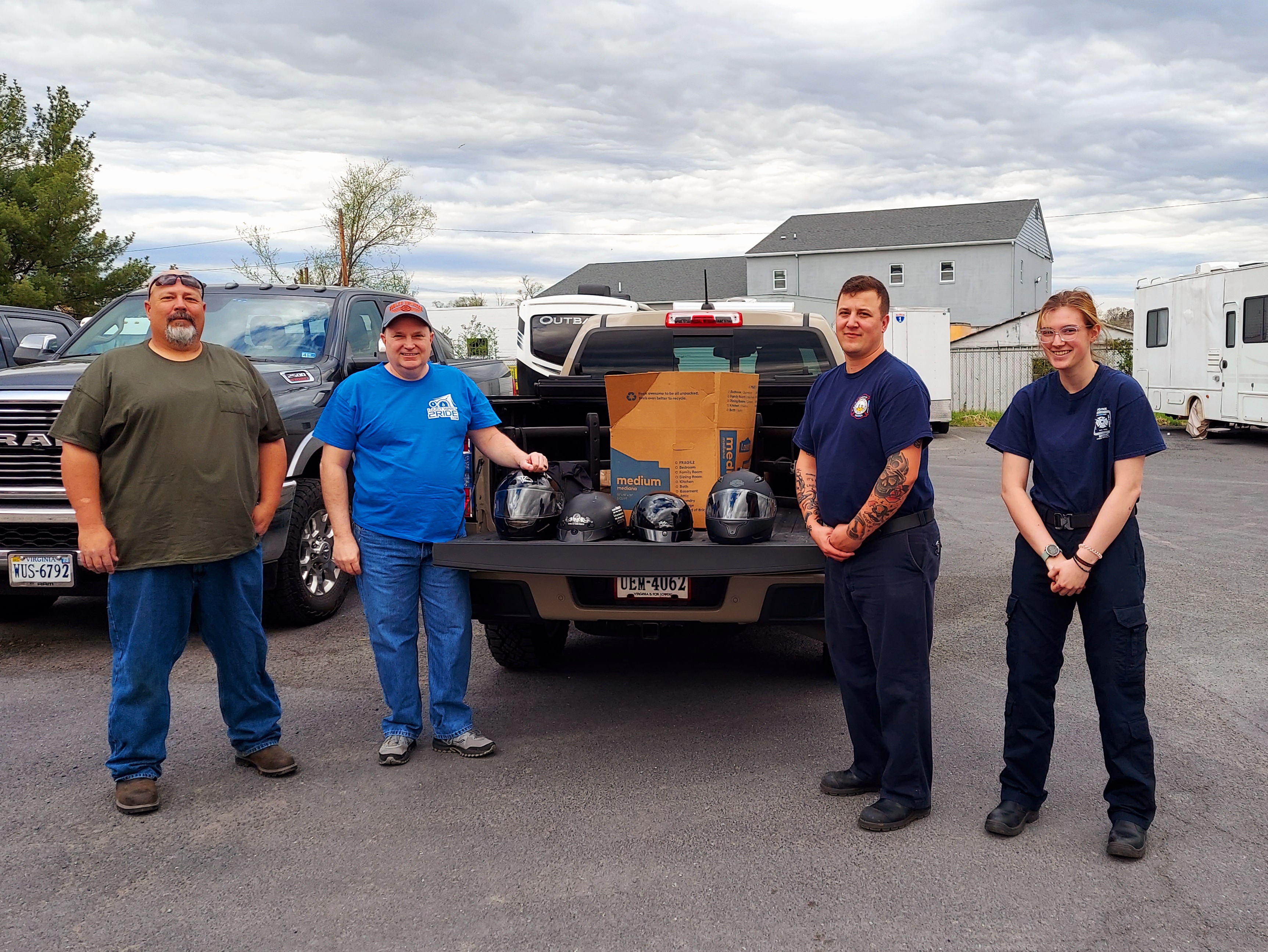
This month IJustWant2Ride.com and The Dawghouse Motorcycle Radio show donated 10 old helmets to the Front Royal Fire Department. With April being Motorcycle Helmet Safety Month, it was the right time to get rid of the old lids.

Your motorcycle helmet is your most important piece of equipment so keeping it clean is important.  Not just from an appearance perspective but as a method to ensure it is still in good working condition. Also, April is Motorcycle Helmet Awareness month so now is a good time to do the work!

While you are cleaning your helmet look for cracks in the shell, that the hard foam is intact and in good condition (this is the part that does most of the work to protect your head) and all the other parts are in good order.  

Before you start… read your owner’s manual on cleaning your specific motorcycle helmet.

1 – Take either a microfiber or paper towels, soaked in warm water and lay across the helmet and visor.  This will moisten any hard dried bugs or grime that might scratch the finish if you first went to scrubbing or rubbing.  Leave the towels on for about 10 minutes and then gently remove the now softer bugs/grime. Remove the visor before step 2.

2 – After the bugs/grime are soft use warm soapy water to clean the shell fully. Rinse, dry and admire your clean exterior.

3 – The visor needs additional attention. The warm towels may have helped get rid of the road grime, but your visor needs special attention. DO NOT use any products that have acid or ammonia! Even products with citric acid can damage the visor (personal experience). Most glass cleaners have some form of acid or ammonia so avoid them as well. Warm soapy water and microfiber cloth is the best way to safely clean your visor.

4 – Make sure you clean out the visor mechanism. Keeping the mechanism clean will help make sure it works as designed.

5 – Clean the sun visor in the same manner you cleaned the visor. No ammonia or acid-based cleaners!

6 – Now that the outside of your helmet is clean how about the inside? MOST helmets allow you to remove the interior padding. Look at your instructions and pull the lining out. Some motorcycle helmet manufactures allow you to put the padding in a washing machine, others recommend hand cleaning in warm soapy water. If you use the by hand method, I recommend a baby shampoo.

7 – If your helmet’s padding is not removable follow the instructions your helmet manufacture provided.  BUT, in my opinion only, dunking the entire helmet into soapy water is not the way to go. It takes forever to dry; it can mildew, and I am always unsure if it may have damaged the underlying foam. My suggestion is to use a motorcycle helmet sanitizing spray.

8 –Check the vents to make sure they are clean and open.  A shot of compressed air, from the inside, might dislodge dried road grimes and bugs.

9 – Put it back together, following the instructions if you still have them. 😊

Ride On, Ride Safe

upshift

Hitting Neutral:  Both the US, Europe as well as many other countries have their own standards on motorcycle helmet safety. This year the United Nations Economic Commission for Europe (UN ECE) will issue new regulations on the testing of motorcycle helmets.

This will be the sixth version of the regulation and will go into effect 3 years after the regulations are issued. At that point it will become illegal to sell helmets that are not in compliance with the new version.

So just what does the new regulations cover?  (From the Federation of European Motorcyclists’ Associations website)

Modular helmets – Helmets equipped with a movable or detachable protective lower face cover, will be tested with or without chin guard in position.

Sun shields – Sun shields cannot restrain or prevent the movement of the visor. On opening the visor, the sun shield can pivot in the working position. By means of a simple movement the sun shield must be able to be moved separately from the visor. Helmets placed on the market with a sun shield shall be tested with the sun shield in working position.

Reflective stickers – In order to comply with national requirements, the helmet may be required to have reflective materials. These materials can be delivered with the helmet, with proper instructions on where and how to apply them on the helmet.

Accessories – Helmets placed on the market with accessories shall be examined to make sure the equipment has no adverse effect and that the helmet and/or visor still comply with the requirements. Testing will be done with and without the accessory and its support with attention to energy absorption, sharp edges and field of vision. You are not allowed to modify the helmet from its original specification as manufactured. Accessories must be fitted in accordance with the helmet manufacturer’s instructions. Only accessories tested during the type approval procedure of the helmet keep the type approval valid.

High speed particle test for visors – To make sure visors don’t shatter when hit by something hard during your ride, they shall be tested with a steel ball at 60 m/s. The visor should not fracture or deform, and the visor housing should not separate into two or more pieces, or no longer be capable of holding the visor in position.

Brain injury by rotation – An impact test method of measuring rotational acceleration will be introduced, to test the impact on the brain when the helmet is twisted during an accident. To test this, the helmet will be allowed to fall, under specified angles and with a specified speed on to a rigidly mounted anvil.

My Take: As I am normally inclined, I am not a fan of regulations as too often it is a bureaucrat’s way of job justification that only adds to the expense of a product.  However, with the execution of one area, I do not see a problem with this update to the rules.

The problem I have is with the “Accessories” section.  I my mind I see accessory as anything placed on the helmet that was not sold by the manufacturer as part of the helmet.  I have a problem with that as it will be used as a cudgel against motorcyclists.

In Australia there is already a similar rule regarding helmet accessories.  Motorcycle riders are often pulled over and ticketed for have accessories on their helmet, click here for an example from “MotorBike Writer”. The primary culprit seems to be action cameras and Bluetooth communications modules. This new rule will infringe on the rider’s documentation and even their job.


Ride on, Ride Safe